Headaches and Traditional Chinese Medicine: Understanding the Patterns Behind Pain
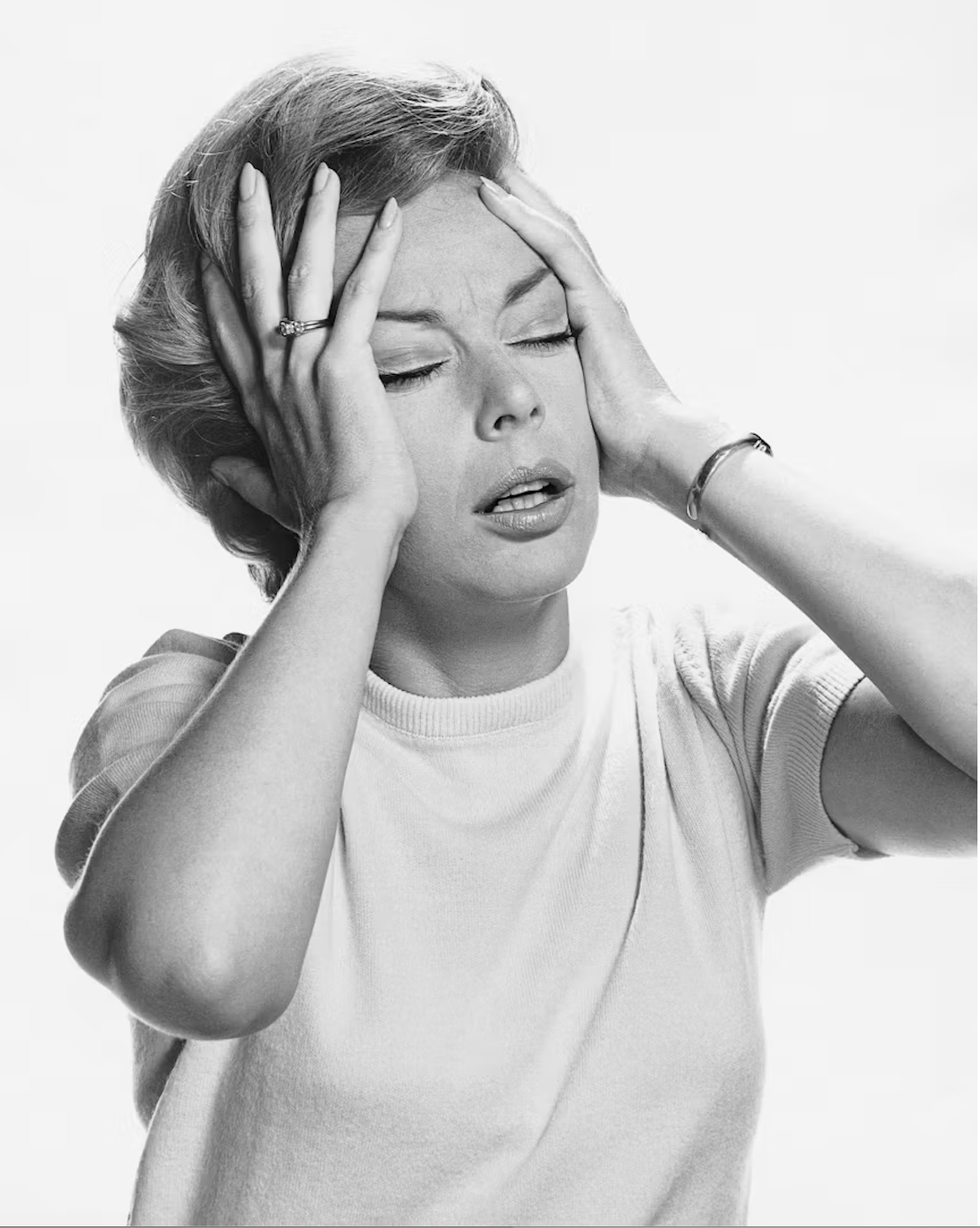
A headache rarely arrives alone.
It comes with a context: a week that ran too long, a storm system moving in, a meal skipped, a jaw held tight since morning, a night of restless sleep. In Chinese medicine, this context isn't background noise. It's part of the diagnosis.
Where conventional medicine often asks where does it hurt?, Chinese medicine asks something closer to what has been building? A headache isn't simply a symptom to silence. It's understood within the larger landscape of the body: your sleep, digestion, emotions, stress, energy, menstrual cycle, environment, and the particular way your pain presents.
The goal isn't only to make the headache disappear. It's to understand why your body may be producing it in the first place.
Not One Headache, but Many
In Chinese medicine, there is no single category called "headache." There are patterns, distinct constellations of symptoms, sensations, and circumstances that point toward different underlying imbalances. A few of the most common:
Wind. A headache that appears suddenly, sometimes after a change in weather or exposure to cold. It may settle into the back of the head and neck, with a stiff, achy, restless quality, as though something has arrived from the outside and taken hold.
Liver Yang Rising. A pounding, expansive headache, often felt at the temples or behind the eyes. It tends to appear during periods of stress, frustration, irritability, or too little sleep. It’s a sense of pressure building upward, with nowhere for it to go.
Qi and Blood Stagnation. A more fixed, localized pain, sometimes sharp or stabbing that doesn't move around much. It can be tied to chronic tension in the neck and shoulders, old injury, or emotion that has stayed held in the body rather than moved through it.
Qi or Blood Deficiency. A dull, lingering headache that tends to surface when you're depleted. It may worsen with fatigue or overexertion and ease with rest, nourishment, or sleep. Rather than too much of something, the body simply may not have enough resources to support what's being asked of it.
These patterns rarely exist in isolation. A person might carry tension-related stagnation alongside deficiency. Someone else may find their headaches are shaped by their cycle, their digestion, their sleep, their emotional weather. This is why two people can both walk in saying "I have migraines" and walk out with entirely different treatments.
The diagnosis lives in the details.
So What Does Acupuncture Actually Do?
Acupuncture introduces a precise sensory input into the body. From a Chinese medicine perspective, treatment moves what has become stagnant, settles what is rising, releases what is constricted, and supports what has become depleted. From a biomedical perspective, it can influence the nervous system, pain processing, circulation, and the body's regulatory systems.
And the intention isn't always immediate elimination of pain. For someone with recurring headaches, the larger goal may be to shift the pattern over time, so headaches become less frequent, less intense, or easier to recover from.
That kind of care asks us to pay attention. What happens before the pain? What makes it better? What makes it worse? What has your body been navigating lately?
A Few Questions Worth Sitting With
If headaches are a recurring part of your life, noticing their patterns can be surprisingly revealing.
When does it happen? Morning or evening? Around your period? After poor sleep? During stressful weeks?
Where does it live? The temples? Behind the eyes? The forehead? The back of the skull? One side?
What does it feel like? Throbbing, heavy, dull, sharp, tight, expansive?
What changes it? Rest? Movement? Pressure? Food? Sleep? Heat? Cold?
What came before it? A skipped meal? Too much screen time? A tense conversation? A shift in weather? A long day of holding your body in one position?
You don't need to diagnose yourself from these questions. They're simply a way of becoming curious about your own patterns — because sometimes the most useful question isn't how do I make this stop? It's what is my body responding to?
That is where Chinese medicine begins. And that is the kind of listening practiced at Anthology Acupuncture & Wellness.
A note on recurring headaches: while acupuncture can be a supportive treatment for many types of headaches, new, unusually severe, sudden, or rapidly changing headaches should be evaluated by a qualified medical professional. Seek urgent medical attention for a sudden "worst headache of your life," or a headache accompanied by weakness, confusion, fainting, vision changes, fever with a stiff neck, or other concerning neurological symptoms.